

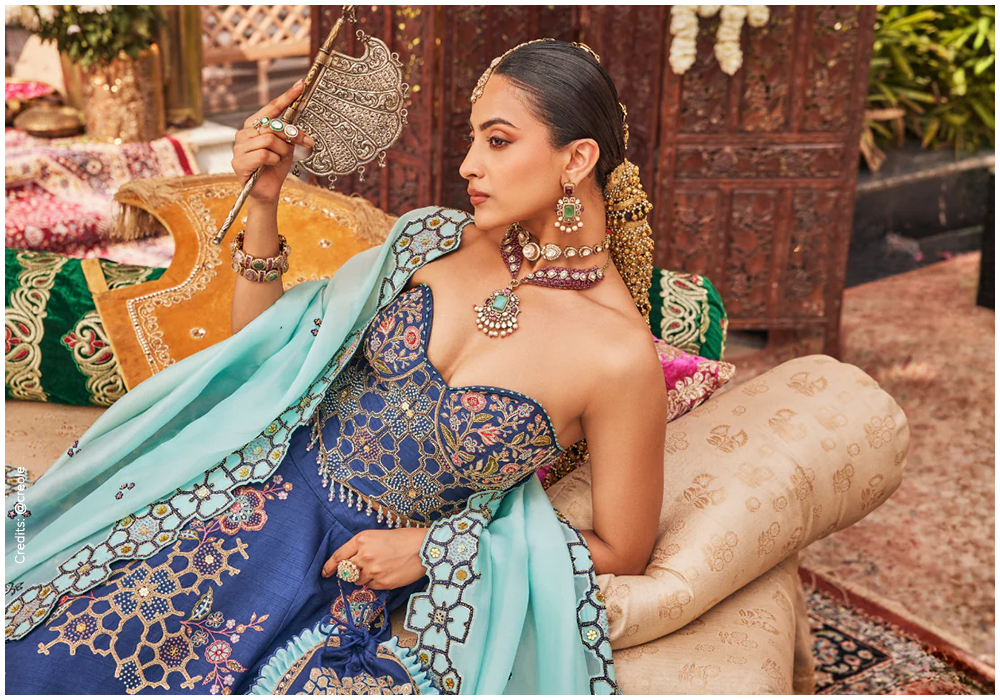
Ethnic wear becomes much easier to use when the pieces are chosen for real occasions rather than one ideal styling photo. A kurta that works for the office, a family lunch, and a small celebration will naturally be worn more often than something that needs a very specific dupatta, shoe, and jewellery combination. Fabric, neckline, and length are the practical places to begin.
Quick Style Reference
| Option | Good For | Try It With / Check |
| Straight kurta | Work, everyday | Trousers, palazzos |
| Kurta set | Family events | Complete coordinated look |
| A-line kurta | Day functions | Straight pants |
| Short kurti | Casual wear | Denim, trousers |
Choose the Kurta by the Day You Have
A Cotton Kurta Set can be easy to repeat because the colour is simple and the silhouette can be dressed up or down. Check the neckline, side slits, and length while walking and sitting. Dark colours of the cotton kurta set also show lint and fabric quality clearly, so look closely at the surface before buying.
Fit at the Shoulder Still Matters
Loose does not have to mean shapeless. The shoulder seam should sit naturally, and the armhole should allow movement without pulling. If the kurta is designed to be relaxed, the extra room should look intentional rather than as if the garment is simply one size too large.
Use a Brand as a Shortcut Only If the Fit Works
Browsing Aurelia Kurta Set can make it easier to compare coordinated styles, but do not assume every cut will fit the same way. Look at garment measurements and fabric details. An Aurelia kurta set is a familiar label and helps only when the actual piece suits your proportions and comfort preferences.
Think About the Bottom Before the Dupatta
Straight pants, palazzos, churidars, and denim all change the feel of a kurta. If the top works with more than one bottom, you have more outfit options even when the original set is not available. This is especially useful for everyday ethnic wear.
How often it’s worn.
Breathable cotton may need ironing, embellished fabrics may need gentler cleaning, dark dyes and decorative trims may require separate care. Read the label before buying, especially if you want the piece for frequent use rather than occasional functions.
Build One Complete Look, Then Break It Apart
Try the kurta or set as a complete outfit first, then separate the pieces. Wear the kurta with a bottom you already own and imagine the original trousers with another top. If both combinations still make sense, the purchase has more value beyond the first occasion. Check jewellery and footwear last rather than letting accessories rescue a difficult fit. Ethnic wear becomes especially useful when the core garments are comfortable and simple enough to stand on their own, with styling added only when the occasion calls for it.
To Wrap Up
Useful ethnic wear is comfortable, easy to combine, and appropriate for more than one kind of day. Start with shoulder fit and fabric, then check whether the kurta works with bottoms you already own. A simple, well-fitting piece can change character through jewellery, dupattas, and footwear without needing a completely new outfit every time.
FAQs
1. Is the dupatta always included?
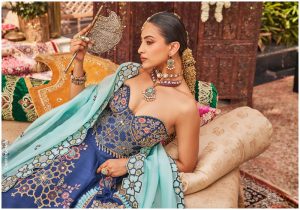
No. Models are often styled with one that is not part of the purchase, so read the listing rather than judging from the photograph.
2. Why does ethnic sizing vary so much?
There is no common grading standard. Read the bust measurement and shoulder-to-hem length in centimetres rather than trusting the size letter.
3. Which fabric is suitable for daily ethnic wear?
Cotton is the best bet for day-to-day use, since it’s breathable, can be washed often, and is comfortable in the heat. If you want a softer drape and less creasing, another choice is rayon.
4. How to identify a good Ethnic Set when buying online?
Begin with the fabric content, stitching information, and customer reviews. Reviews mentioning loose threads, transparency, or color bleeding will give you a better understanding than just looking at product photos.
5. How to wash a kurta-set without the colors fading?
Wash inside out and preferably in cold water. Dry in the shade. If you have a set with embroidery, zari, or sequins, then wash it as per the care instructions and not with regular washing